A rare and severe workplace injury is drawing attention to the importance of safety protocols and rapid emergency response, following a case documented in the Journal of Orthopaedic Case Reports.
The case, published in September 2022, details how a young worker sustained a critical cervical spine injury after being struck on the head by a heavy falling object during routine work. While such incidents are uncommon, experts say the case offers valuable lessons for both workplace safety and medical understanding.
A Routine Day Turned Critical
According to the report, the accident occurred अचानक, leaving little time for the worker to react. The impact caused immediate medical distress, prompting emergency responders to act quickly.
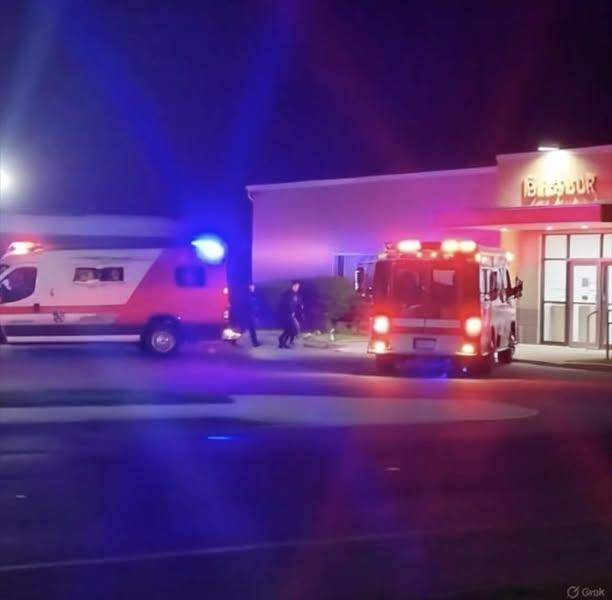
First responders followed standard protocols, including stabilizing the airway, immobilizing the neck, and transporting the patient to a hospital. These steps are essential in suspected spinal injuries, where improper handling can worsen damage.
Complex Injury Revealed
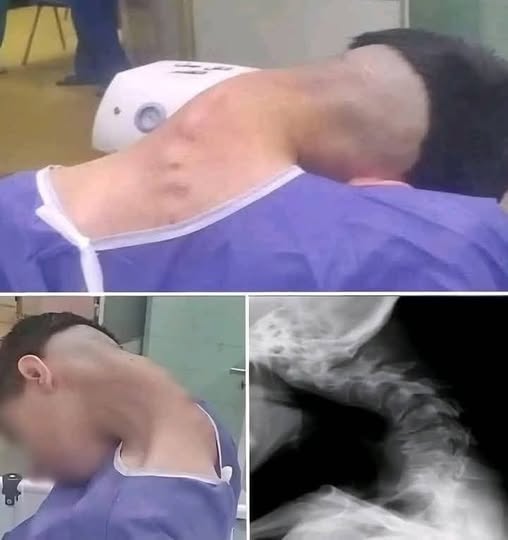
Hospital imaging, including CT scans, revealed a serious injury to the cervical spine—the upper portion of the spinal column responsible for supporting the head and protecting the spinal cord.
Doctors identified:
- Structural damage to cervical vertebrae
- Displacement of bone fragments toward the spinal canal
- Involvement of adjacent vertebrae
Medical experts noted that the injury pattern was highly unusual and did not fit neatly into existing classification systems, making diagnosis and treatment more challenging.
Why the Case Matters
Specialists say the case is significant because it exposes gaps in current medical frameworks used to categorize spinal injuries. Rare cases like this can help refine diagnostic tools and improve future treatment strategies.
“This kind of injury is not commonly documented, which makes it particularly valuable for research and clinical understanding,” experts note.
Workplace Safety Under the Spotlight
Beyond its medical relevance, the case reinforces the importance of strict workplace safety measures—especially in environments involving heavy equipment or elevated materials.
Safety professionals are emphasizing key precautions:
- Securing overhead objects
- Conducting regular inspections
- Providing proper protective gear, including helmets
- Ensuring workers are trained to recognize hazards
Prevention and Preparedness
Experts stress that prevention remains the most effective strategy. However, when accidents occur, preparedness can make a life-saving difference.
Workplaces are encouraged to maintain:
- First aid readiness
- Trained emergency personnel
- Clear response protocols
A Broader Lesson
While the incident is rare, it serves as a powerful reminder that even well-regulated environments carry risks. The combination of awareness, proper training, and updated safety standards is essential to reducing workplace injuries.
At the same time, continued research and documentation—such as this case—play a crucial role in advancing medical knowledge and improving outcomes for future patients.
As industries evolve, both safety practices and medical understanding must adapt alongside them, ensuring that even the rarest incidents contribute to a safer and more informed future.