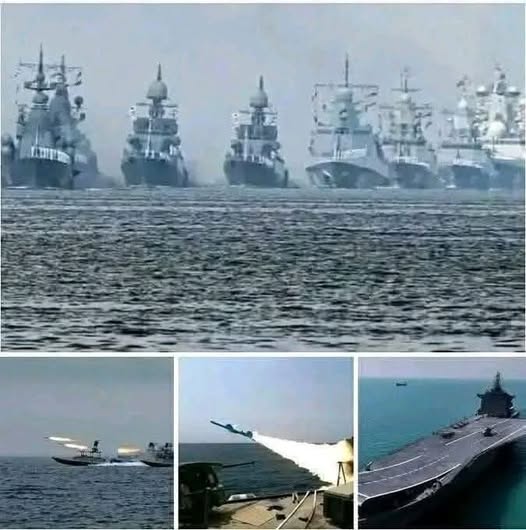
Recent online discussions have sparked widespread concern over whether the United States has entered a new war. Viral posts and headlines have used dramatic language suggesting a major escalation, but verified information from official sources and analysts points to a more complex reality—one defined by strategic operations, ongoing conflicts, and active diplomacy rather than a formal declaration of war.
No Official Declaration of War
Despite heightened tensions in multiple regions, there has been no official declaration of war by the United States. Modern military engagements often differ significantly from traditional warfare, relying on targeted operations, alliances, and authorizations rather than formal announcements.
Experts emphasize that while military activity may increase, it does not necessarily signal the beginning of a large-scale global conflict.
Focus on the Russia–Ukraine Conflict
One of the most closely monitored situations remains the ongoing war involving Russia and Ukraine. Recent diplomatic efforts have brought representatives from both nations together with U.S. officials for discussions hosted in the United Arab Emirates.
These talks highlight a critical point: even during active conflict, diplomacy continues behind the scenes. Analysts note that maintaining communication channels is essential for preventing further escalation and exploring potential resolutions.
U.S.–Iran Relations: Tension and Dialogue
Another key area of focus is the relationship between the United States and Iran. After a period of rising tensions, indirect negotiations have taken place in Oman, signaling efforts to stabilize the situation.
Officials from both sides have described the discussions as constructive, reflecting a dual approach that combines military readiness with diplomatic engagement.
How Modern Conflict Has Changed
Today’s geopolitical landscape looks very different from the past. Traditional wars—once marked by formal declarations and mass mobilization—have largely been replaced by more limited and strategic actions.
Modern military operations are often:
- Targeted and short-term
- Focused on specific threats or objectives
- Conducted alongside international partners
- Supported by legislative authorizations instead of formal war declarations
The United States, for example, has not formally declared war since World War II, instead relying on congressional approvals for major military actions.
Domestic Security Still a Priority
While international developments dominate headlines, domestic security within the United States remains a key concern. Recent local incidents, including those reported in Minnesota, have contributed to broader discussions about national safety and preparedness.
Officials continue to monitor such events while maintaining a focus on proportionate and localized responses.
Misinformation Driving Confusion
Much of the speculation about a “new war” appears to stem from misinformation circulating online. Experts warn that complex geopolitical situations are often oversimplified into misleading narratives.
Common signs of unreliable claims include:
- Lack of credible or official sources
- Emotional or alarmist language
- Misinterpretation of military movements or diplomatic actions
Authorities encourage the public to rely on verified reporting and official statements before drawing conclusions.
The Role of Diplomacy
Despite rising tensions, diplomacy remains central to global stability. Ongoing negotiations between major powers demonstrate continued efforts to:
- Reduce misunderstandings
- Prevent unintended escalation
- Maintain communication during crises
- Seek long-term solutions
These efforts underscore that even in uncertain times, dialogue plays a crucial role alongside military preparedness.
Conclusion
Current global developments involving the United States reflect a complex mix of military strategy, diplomatic engagement, and regional tensions. While the situation remains serious and closely monitored, there is no confirmed evidence that a new war has been formally declared.
Understanding the distinction between military activity and full-scale war is essential in today’s fast-moving information environment. Accurate context—not viral headlines—is key to making sense of global events.