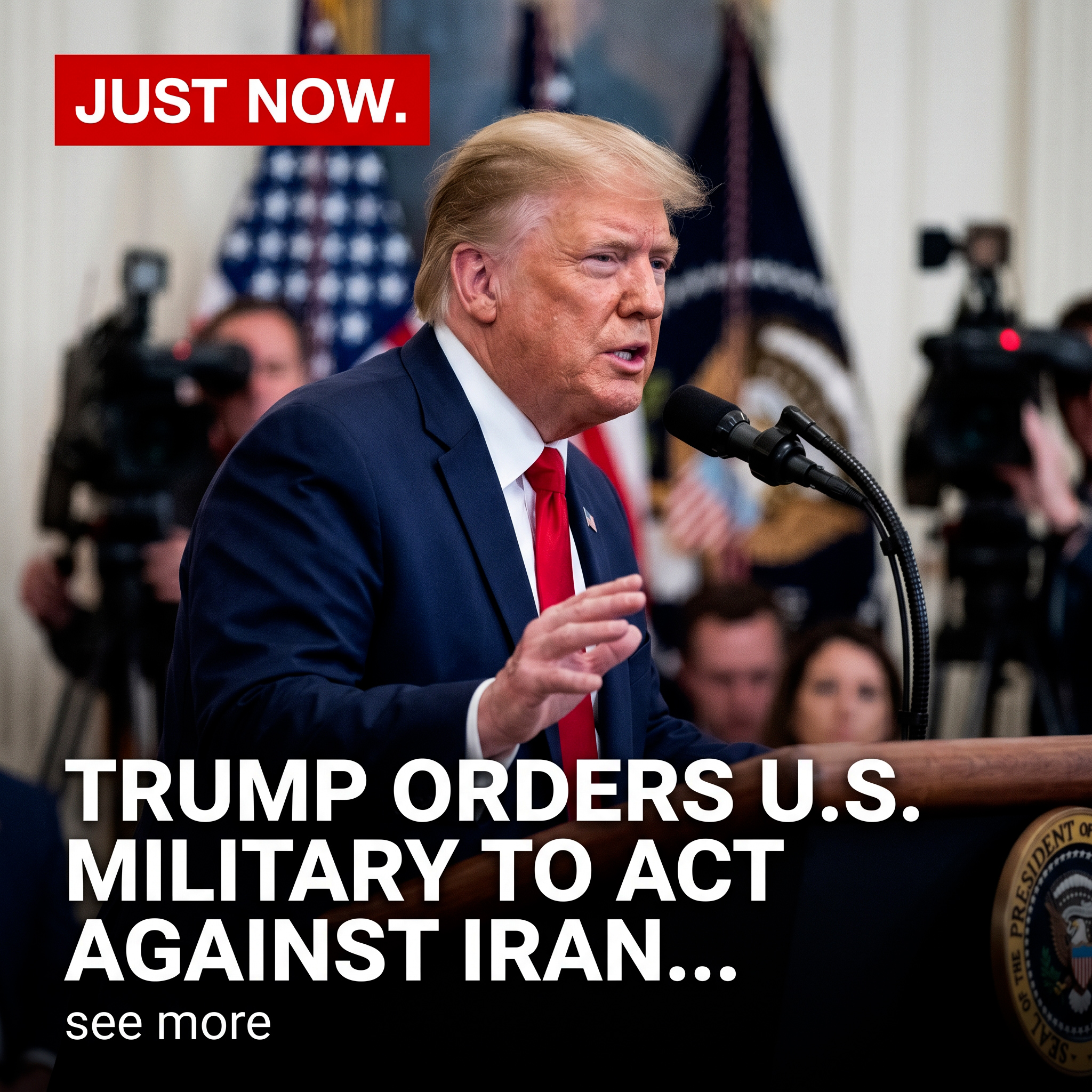
Tensions in the Middle East have reached a terrifying new level after Donald Trump reportedly ordered U.S. forces to “shoot and kill” Iranian boats suspected of mining the critical Strait of Hormuz. The dramatic escalation comes as U.S. naval forces boarded yet another tanker accused of smuggling Iranian oil, sending shockwaves through global markets and raising fears that one of the world’s most vital shipping routes is grinding to a halt.
The Strait of Hormuz, a narrow but essential passage through which nearly a fifth of the world’s oil supply flows, is now at the center of a rapidly intensifying maritime standoff. Military vessels, surveillance aircraft, and armed patrols have flooded the region, turning what is usually a busy trade corridor into a high-risk conflict zone. Shipping companies are already hesitating to pass through, with some routes effectively frozen amid fears of sudden violence.
According to reports, U.S. forces intercepted and boarded a tanker believed to be part of a covert network used to bypass sanctions on Iran. Officials claim the vessel was involved in illegal oil transfers, a move Washington says is necessary to enforce economic pressure. But critics warn that each new interception brings the region closer to open conflict, especially as Iranian forces increase their own presence in nearby waters.
The situation escalated dramatically after intelligence suggested that small Iranian boats were deploying naval mines in the Strait, posing a direct threat to commercial shipping and military vessels alike. In response, Trump’s alleged “shoot and kill” directive signals a zero-tolerance policy—one that could trigger immediate and deadly confrontations at sea. Analysts say this kind of order leaves little room for de-escalation in fast-moving encounters.
Global markets are already reacting. Oil prices have begun to spike, insurers are raising premiums for ships entering the Gulf, and international leaders are urging restraint. The fear is simple: if the Strait of Hormuz becomes fully blocked, the ripple effects could hit everything from fuel prices to food supply chains worldwide. For many, this is no longer just a regional dispute—it’s a global crisis unfolding in real time.
As both sides dig in, the world watches nervously. Will this standoff spiral into a full-scale military conflict, or can diplomacy still pull things back from the edge? One thing is clear: with warships on high alert and trade routes under threat, the situation is more volatile than ever—and the next move could change everything.