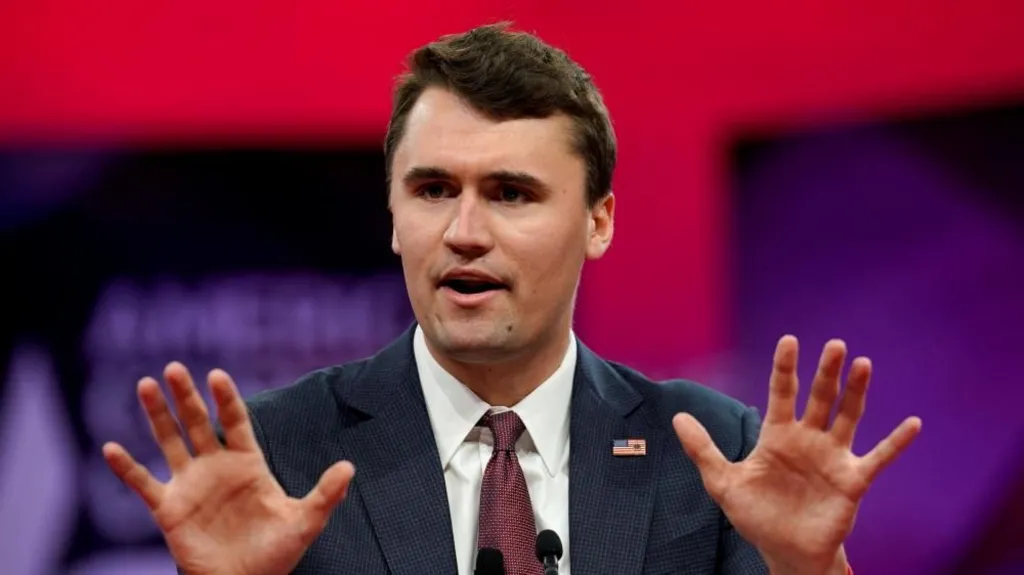
Charlie Kirk Murder Suspect Pleads Not Guilty as Judge Clears Way for Death Penalty Trial
Tyler Robinson, the man accused of killing conservative activist Charlie Kirk, has pleaded not guilty after a Utah judge ruled that the case can proceed to trial on an aggravated murder charge. The decision means prosecutors may continue seeking the death penalty, although Robinson can receive that punishment only if he is convicted.
Utah District Judge Tony Graf announced the ruling following closing arguments in Provo. He found that prosecutors had presented enough evidence at the preliminary stage to send Robinson, 23, to trial. No trial date has yet been announced.
Kirk, 31, was fatally shot on September 10, 2025, while speaking at an outdoor Turning Point USA event at Utah Valley University in Orem. Thousands of people were reportedly gathered at the event. Prosecutors allege that Robinson fired a single shot from the rooftop of a campus building more than 120 metres away, striking Kirk in the neck.
One of the central legal disputes concerns whether the alleged shooting created a serious risk of death for other people in the crowd. That question is important because it supports the aggravated murder charge that could make the case eligible for capital punishment.
Prosecutors argued that firing a high-powered rifle toward an area surrounded by thousands of spectators placed bystanders in danger, even though only Kirk was struck. Judge Graf agreed that the positions of people near Kirk supported a reasonable inference that the shooter knew others could also have been harmed.
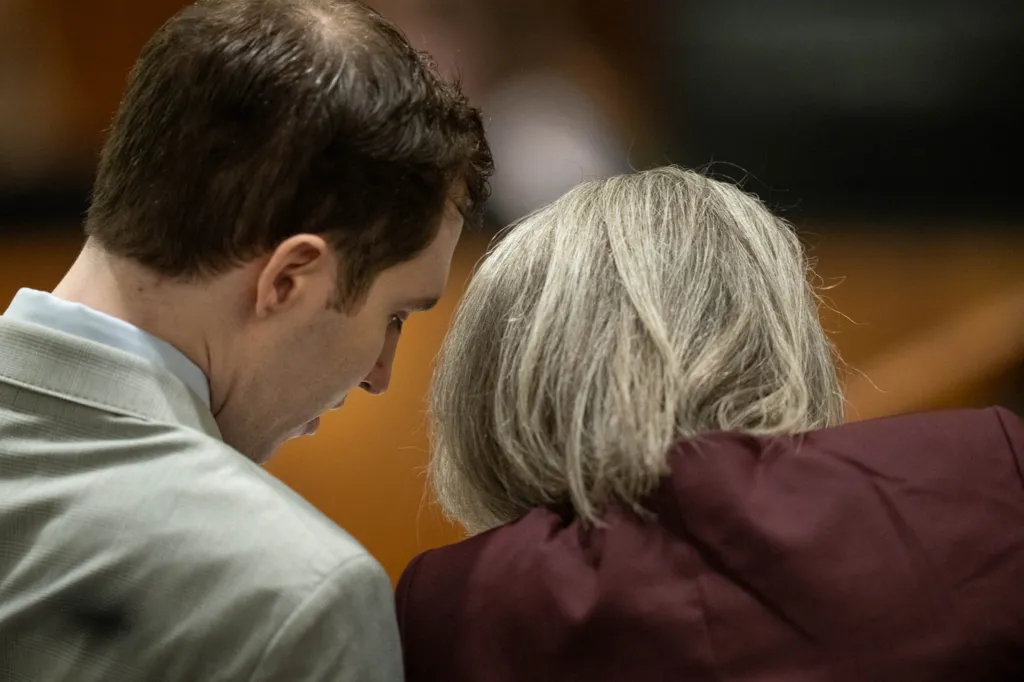
Robinson’s lawyers strongly challenged that argument. They said the evidence showed one shot, one intended target and one victim. The defense maintained that prosecutors had not demonstrated a high probability that anyone else would be killed. It asked the judge either to dismiss the case or reduce it to a non-capital murder charge.
During a five-day preliminary hearing in July, prosecutors presented surveillance footage, forensic evidence and alleged communications involving Robinson. They claim DNA connected him to the rifle and to a screwdriver found on the rooftop. Prosecutors also cited messages and a handwritten note that they say amounted to admissions.
The defense has questioned the reliability and interpretation of parts of that evidence and disputed the prosecution’s theory of motive. Authorities allege that Kirk was targeted because of his political views, an accusation that may also affect potential sentencing enhancements. Robinson’s attorneys argue that the claimed political motivation is speculative and has not been proven.
Members of Kirk’s family attended the proceedings and described the ruling as an important step in their pursuit of justice. They have called for the case to move forward transparently and without unnecessary delay.
The judge also allowed cameras to remain in the courtroom despite defense concerns that intense publicity could interfere with Robinson’s right to a fair trial. The case will now enter its next pretrial phase, where both sides are expected to continue contesting the evidence, the aggravated murder charge and the possibility of a death sentence.
Robinson remains legally presumed innocent. His not-guilty plea means the prosecution must prove every element of its case beyond a reasonable doubt before a jury can convict him.