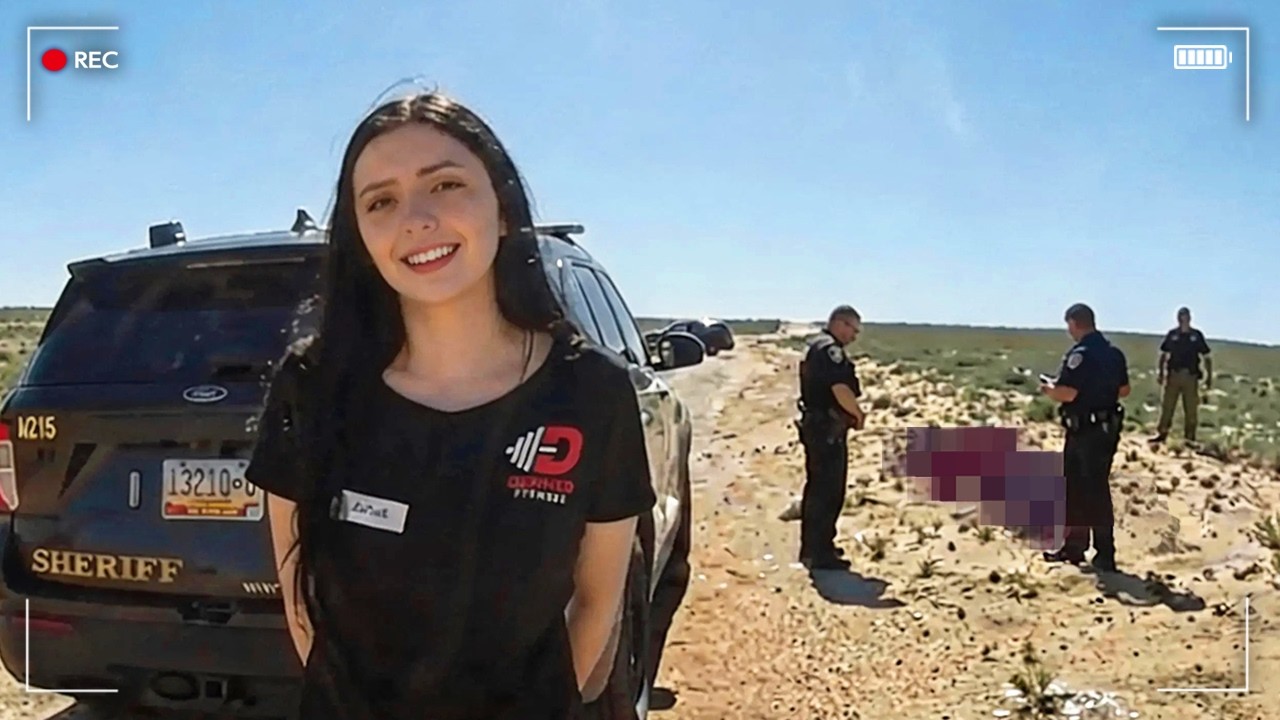
The story of 18-year-old Mariana Gomez begins like many others — with a simple date between two teenagers. Just one month before the tragedy, Mariana had asked 16-year-old Jesus Cota to go out with her. What should have been a normal night between young people instead ended in a devastating and irreversible outcome: Jesus was dead.
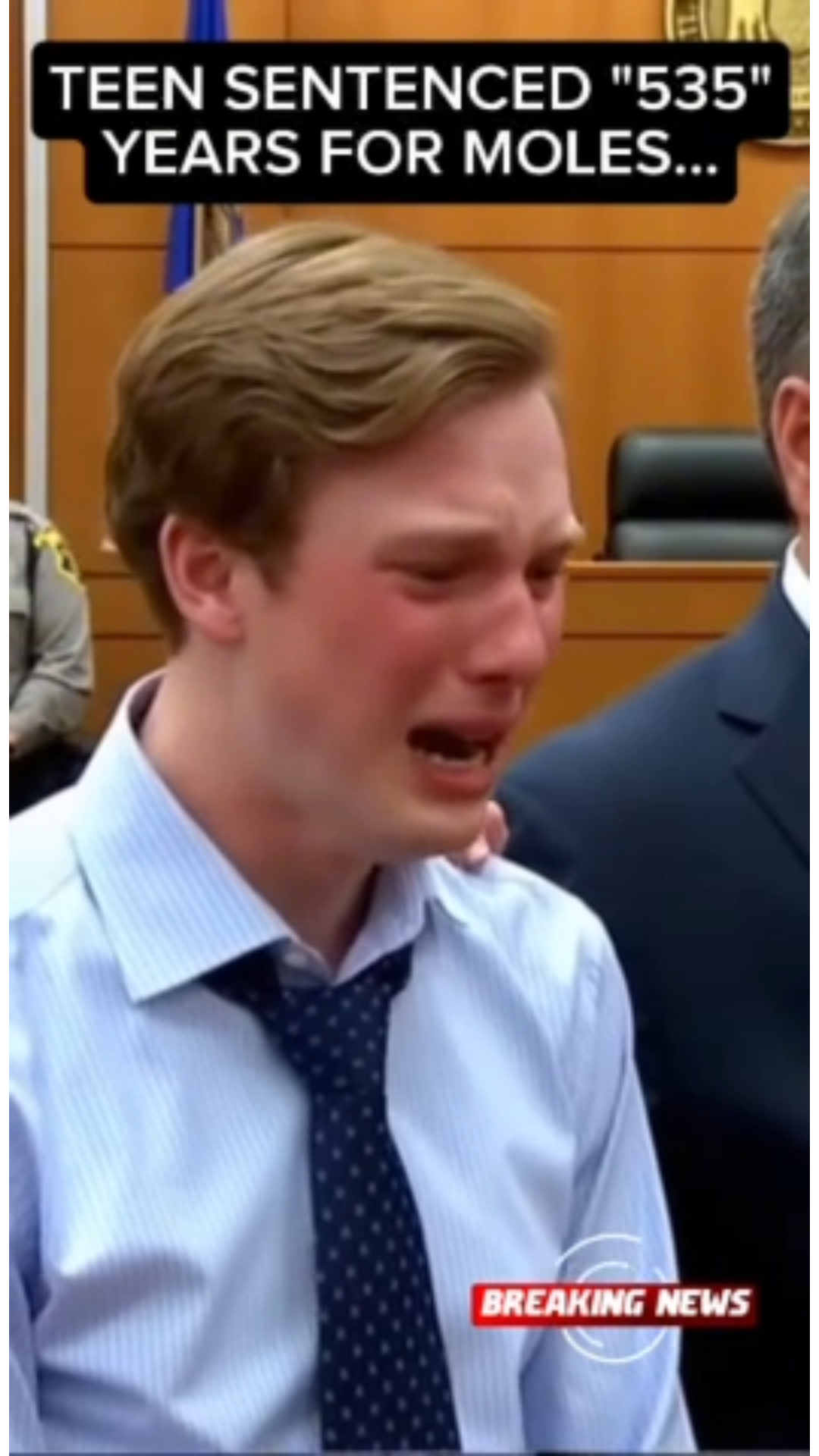
In the immediate aftermath, Mariana was not viewed as a suspect. In fact, she was one of the key individuals helping investigators reconstruct what had happened. Sitting across from detectives, she provided details, timelines, and insights that seemed to point in a clear direction. Authorities quickly focused on two other high school students, building a case they believed would bring justice to Jesus and his family.
For a time, everything appeared straightforward. Detectives believed they had identified those responsible. Statements aligned closely enough, and the timeline seemed to support the theory that the two suspects had carried out the crime. Mariana, in this version of events, was simply a witness — a young woman caught in the wrong place at the wrong time.
But investigations rarely remain static.
As detectives continued to examine the case, small inconsistencies began to surface. Timelines didn’t match perfectly. Certain details shifted slightly upon reexamination. Statements that once seemed solid began to raise new questions. In cases like this, it’s often the smallest cracks that lead to the biggest breakthroughs.
Gradually, attention turned back to Mariana.
Investigators began to scrutinize her role more closely. Why did certain aspects of her story change? Were there details she had omitted, intentionally or otherwise? Was she truly just a witness — or was her involvement deeper than she initially let on?
What made the situation even more unsettling was how close she had been to the investigation from the very beginning. She wasn’t someone on the outside looking in — she had been sitting with detectives, helping shape the narrative of what happened that night. The possibility that she could have been more than just a bystander added a layer of complexity that investigators couldn’t ignore.
Cases involving young people are often complicated by emotion, relationships, and hidden dynamics. Friendships, rivalries, and personal conflicts can all play a role in ways that aren’t immediately obvious. Detectives had to consider every angle: Was Mariana a frightened teenager trying to make sense of a chaotic situation? Or was she someone who had been orchestrating events behind the scenes?
The truth, as with many real-life cases, may not be immediately clear. Investigations evolve as new evidence emerges, and initial assumptions can quickly unravel under closer scrutiny. What began as a seemingly solved case transformed into something far more uncertain — a puzzle with pieces that no longer fit together as neatly as they once did.
At the center of it all remains a tragic loss: a young life cut short, leaving behind unanswered questions and a search for accountability. Whether Mariana Gomez was an innocent witness or something more is a question that continues to linger — one that only a full and thorough investigation can ultimately answer.