Tensions in the Middle East have surged dramatically following reports that Iran allegedly violated a fragile ceasefire by targeting vessels in the Strait of Hormuz—one of the world’s most critical النفط shipping routes. The incident has triggered a sharp escalation in rhetoric from former U.S. President Donald Trump, who is once again positioning himself at the center of a rapidly evolving geopolitical crisis.
In a fiery interview accompanied by a series of uncompromising social media posts, Trump delivered what many analysts are calling one of his most aggressive warnings to date. According to his statements, the United States is preparing to send high-level representatives to Pakistan in what he described as a “final negotiation channel” with Iran. However, the tone of the message suggests that diplomacy may be hanging by a thread.
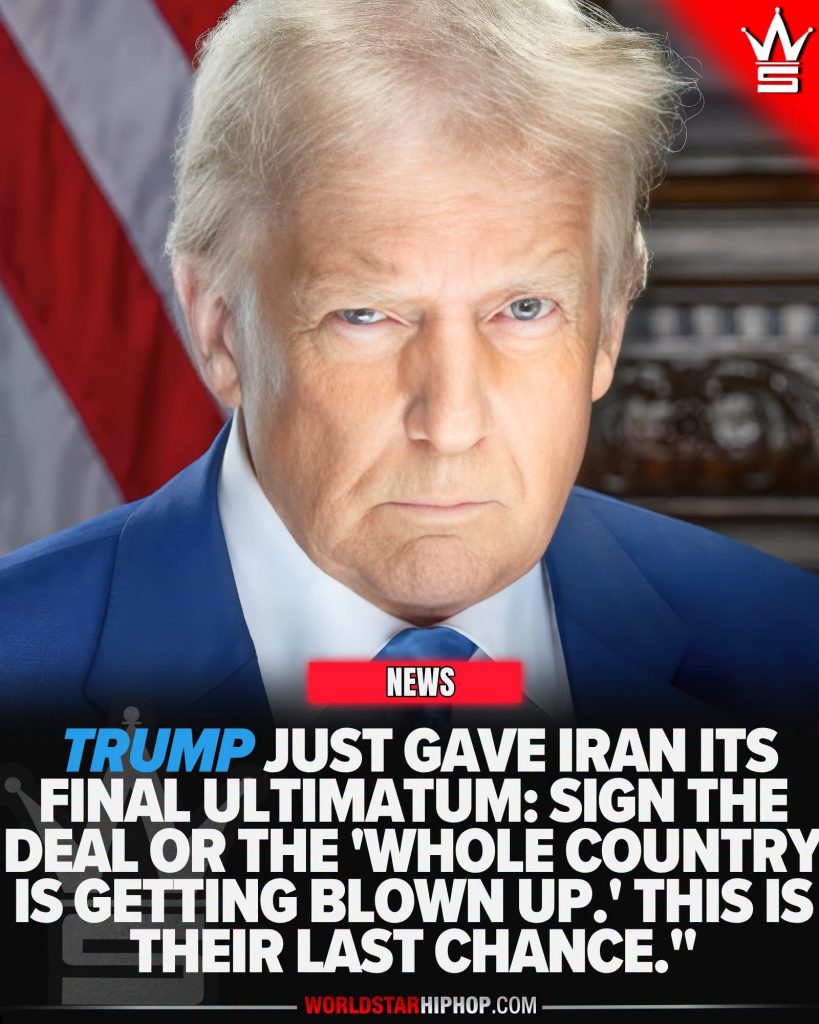
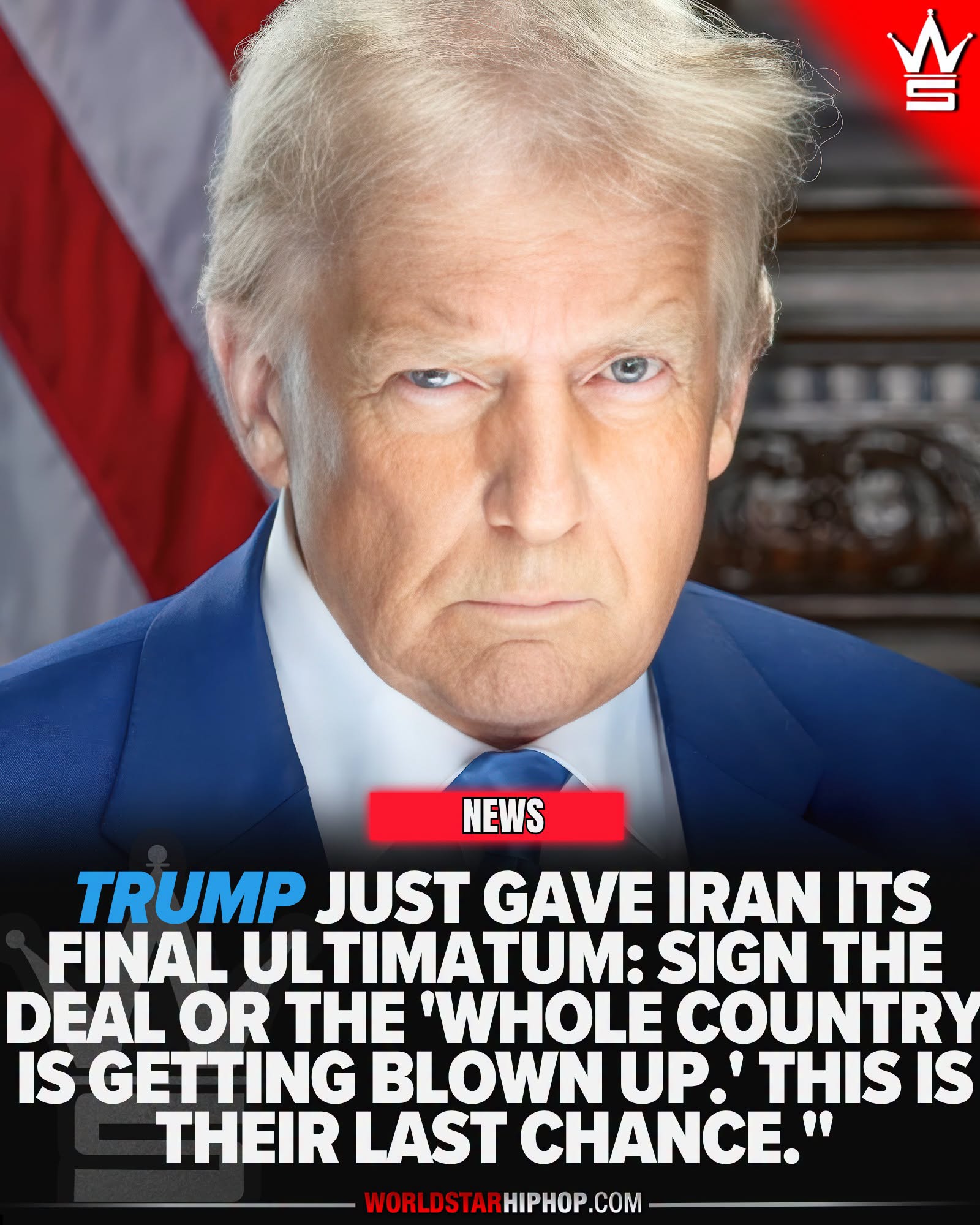
“If they don’t sign this deal, the whole country is getting blown up,” Trump said bluntly, a remark that has since sparked global concern. He further emphasized that he is no longer willing to engage in prolonged negotiations, declaring he is done playing “Mr. Nice Guy.” The statement signals a significant shift from traditional diplomatic language to a more confrontational posture.
Trump went even further by outlining potential targets, including infrastructure such as power plants and bridges—comments that have alarmed international observers and raised fears of large-scale military conflict. Experts warn that such rhetoric, whether strategic or emotional, risks inflaming an already volatile situation and could lead to unintended consequences.
The Strait of Hormuz, where the alleged incident took place, is a chokepoint through which nearly a fifth of the world’s oil supply passes. Any disruption in this region has immediate global economic implications, often leading to spikes in oil prices and heightened instability in international markets. The reported attack on ships has not only intensified military tensions but also drawn attention from major global powers, all of whom have vested interests in maintaining stability in the area.
Iran has not fully responded to Trump’s latest remarks, but past patterns suggest it is unlikely to yield easily to what is being framed as an ultimatum. Historically, Tehran has resisted pressure tactics, especially those perceived as threats to its sovereignty. This sets the stage for a potentially dangerous standoff, where neither side appears willing to back down.
Meanwhile, the international community is urging restraint. European leaders, as well as officials from the United Nations, have called for immediate de-escalation and a return to diplomatic dialogue. Behind the scenes, there are growing concerns that Pakistan’s involvement as a negotiation intermediary could further complicate regional dynamics.
As the situation unfolds, the world watches closely. What began as a reported ceasefire violation has now escalated into a high-stakes geopolitical confrontation. Whether this leads to renewed negotiations or spirals into open conflict may depend on what happens in the coming days—particularly during the proposed talks in Pakistan.
For now, one thing is clear: the margin for error is rapidly shrinking, and the consequences of miscalculation could be catastrophic.