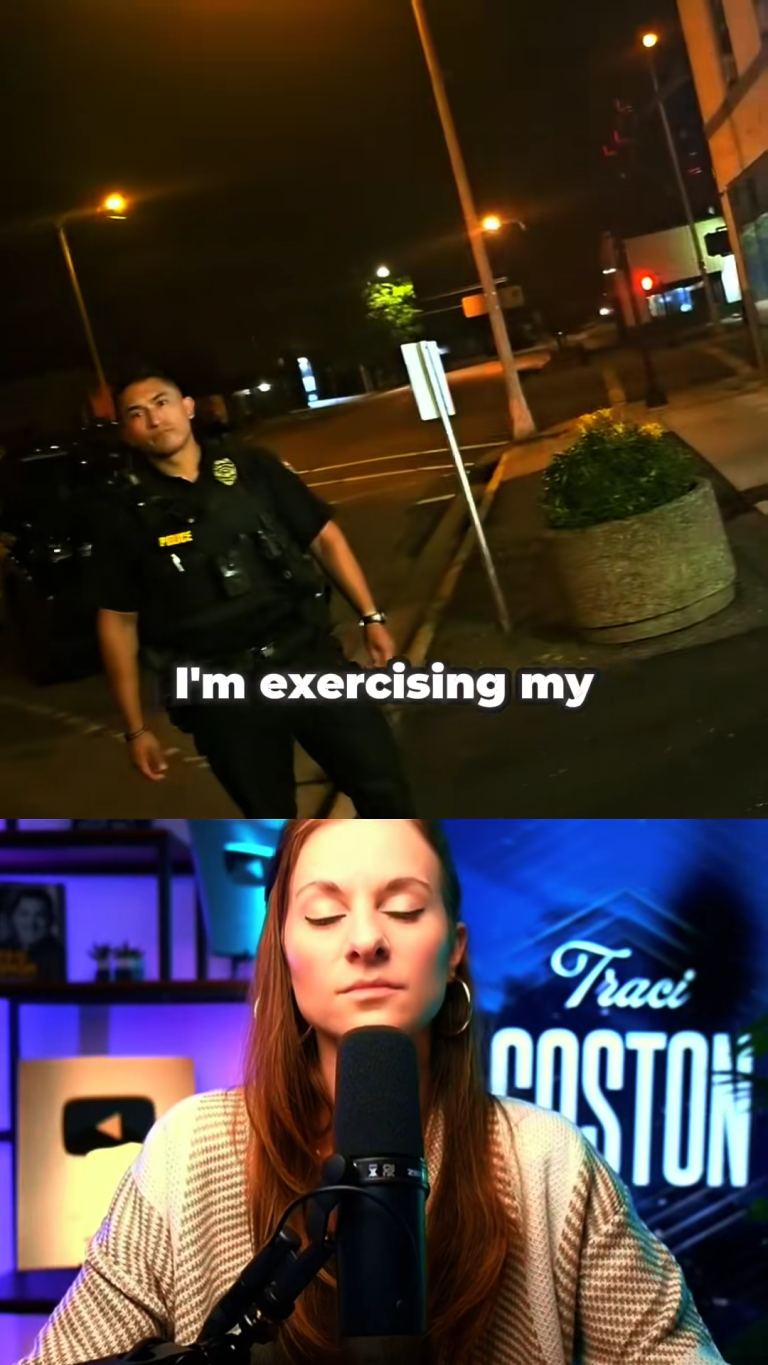
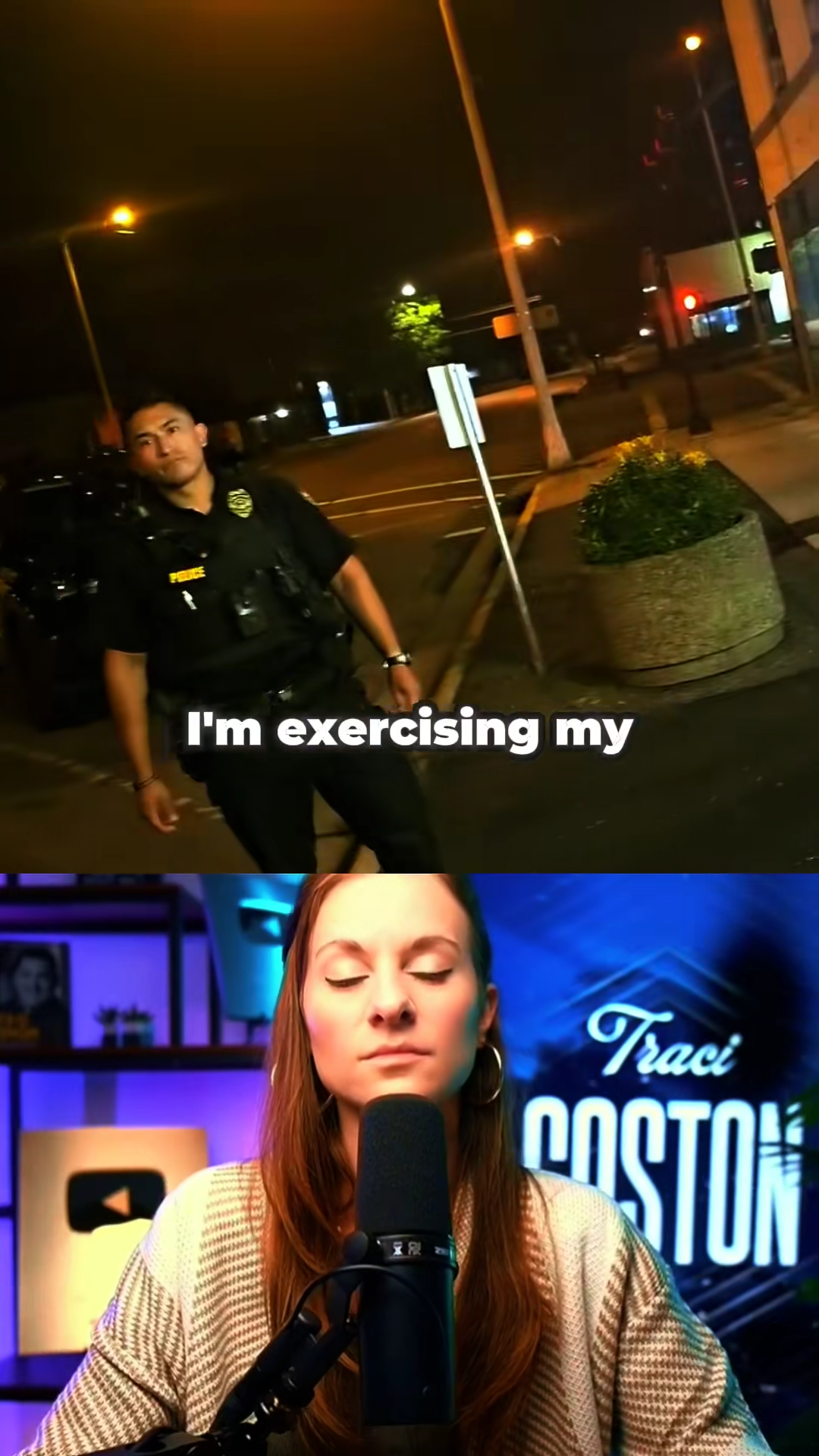
A tense and heavily debated incident has captured public attention after a man waiting for an Uber was arrested during a heated confrontation with officers over the simple question of whether he was required to show ID.
The situation began when officers approached the man outside a detention facility, stating that he was “the subject of a call” and therefore needed to present identification. The man firmly pushed back, insisting he was doing nothing wrong and was simply exercising his First Amendment right while waiting for his ride in what he believed was the safest location nearby.
When officers repeated their demand for ID, he asked a crucial question:
“What crime have I committed?”
The officer responded that by refusing to provide identification, he was “obstructing a peace officer.” The man immediately countered, arguing that obstruction requires an underlying crime or investigation — something the officer failed to clearly articulate beyond the vague claim of a “suspicious person” call.
Throughout the exchange, the man cited both his First Amendment rights and his Fourth Amendment protections against unreasonable searches and seizures. The officer insisted that being the subject of a call gave him the right to demand ID, and that refusing it constituted a criminal act.
As the disagreement escalated, backup arrived, and additional officers mentioned that the man had allegedly been causing issues earlier in the night — following staff, recording people, and approaching officers during another arrest. The man denied wrongdoing and maintained that he was merely waiting safely for his Uber.
Despite repeatedly saying he had committed no crime, he was told this was his “last chance” to provide his name or face jail. Moments later, officers moved in, restrained him, and handcuffed him while he continued to argue that his rights were being violated.
“You just violated my rights. I’ve done nothing wrong,” he said as officers searched him for weapons.
Police, however, insisted they acted lawfully, claiming that refusing to provide his ID after being the subject of a suspicious-person call is a crime under their obstruction statutes.
The debate now centers on whether officers had reasonable suspicion, whether the man was legally required to identify himself, and whether the arrest was justified—or an overreach of authority.
As the video spreads, viewers are sharply divided. Some argue the man was defending his constitutional rights. Others believe he escalated the situation unnecessarily.
What’s your opinion on this incident? Do you think the officers were justified, or did they go too far? Share your thoughts below.