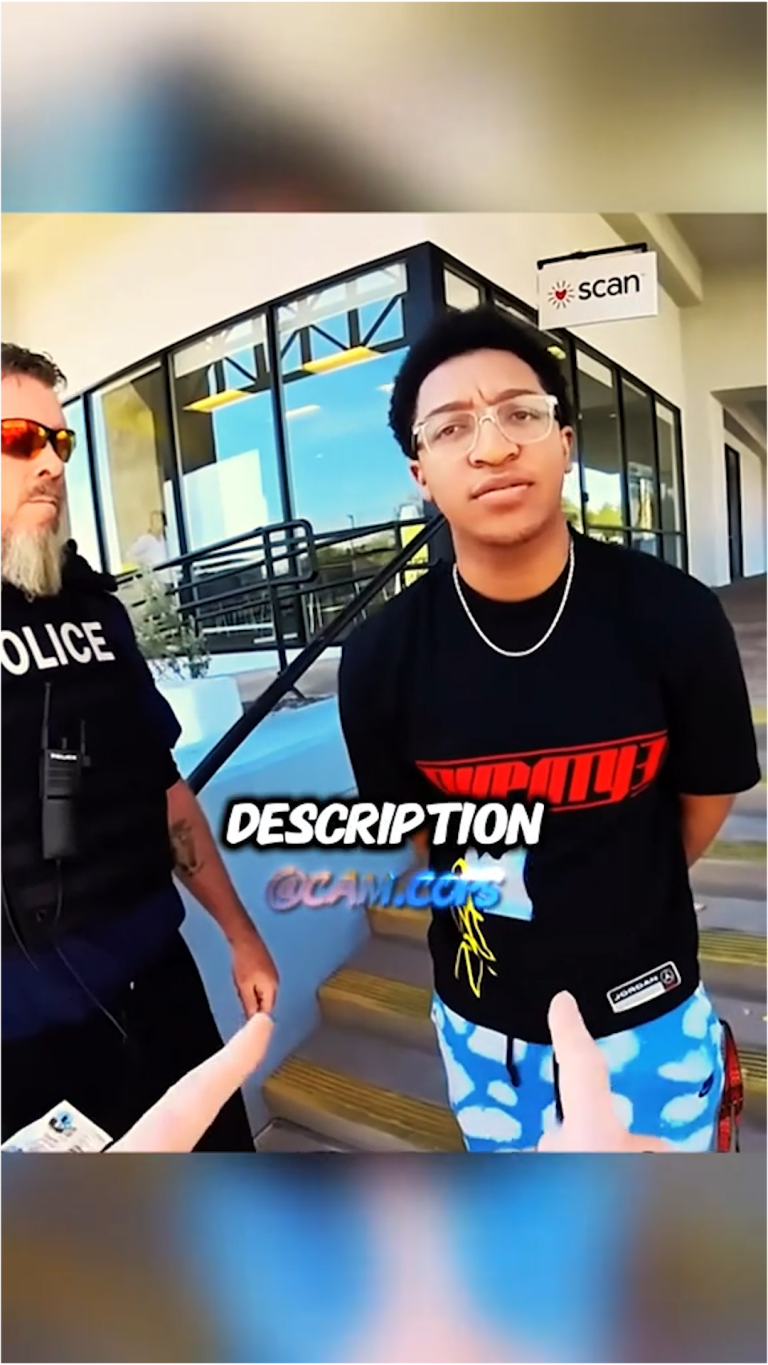
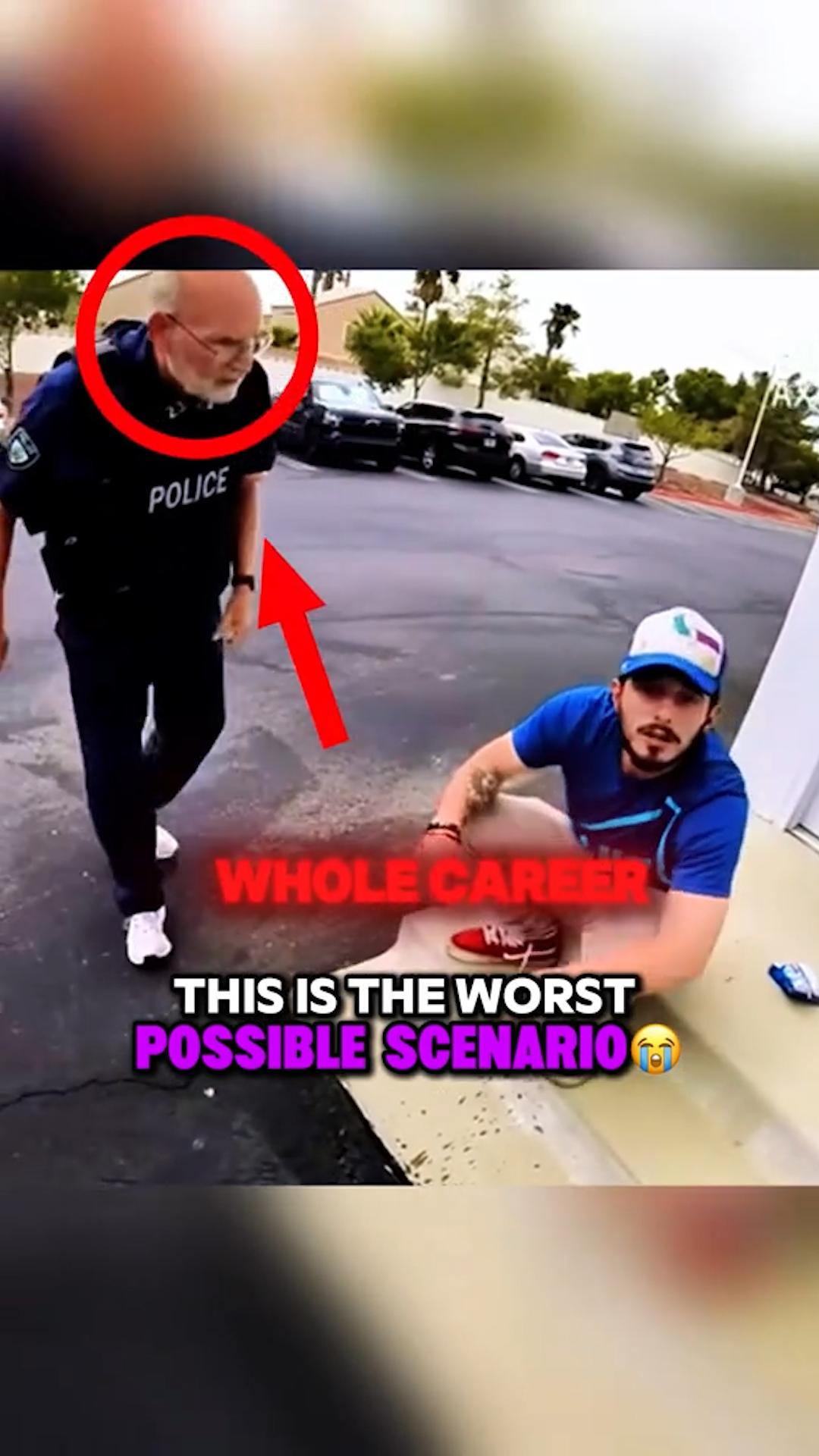
A recently circulated video has sparked widespread discussion after showing an interaction between two officers and a young man who claimed to be the son of the local police chief. The incident, recorded on a bystander’s phone, quickly spread across social media due to what many viewers interpreted as preferential treatment.
The clip begins with officers questioning an individual who appears irritated, stating that an officer “spilled” his drink. Another person off-camera clarifies that the officer knocked the drink from his hand because he was not complying with instructions. The man complains about the lost beverage while officers continue attempting to question him.
As tensions rise, one officer makes a remark suggesting the man may have had illegal substances in the cup. The situation shifts dramatically when the individual responds by saying, “I am Chief Ross’s son.” One officer immediately appears taken aback and asks whether he means Police Chief Gavin Ross. After a moment of hesitation, both officers begin softening their tone, apologizing, and attempting to de-escalate.
In the video, the officers appear noticeably more cautious following the man’s claim. They repeatedly apologize, insist they “don’t want any trouble,” and even offer compensation for the spilled drink. The man, meanwhile, tells them he plans to inform his father about their “unprofessional” conduct before walking away.
The footage has triggered debate online about potential favoritism within law enforcement. Some commenters argued that the officers’ sudden change in demeanor suggested they feared repercussions if they upset the son of a superior officer. Others defended the officers, noting that without full context, the video may not reflect the entire interaction.
Neither the police department nor Chief Ross has publicly commented on the incident, and the identity of the man in the video has not been officially confirmed. It remains unclear whether the department will review the officers’ conduct or the circumstances leading up to the encounter.
What the video has undeniably done is reignite discussions about accountability, professionalism, and whether perceived or actual family ties within law enforcement can influence public interactions.