The case of Larry Nassar stands as one of the most disturbing abuse scandals in modern sports history. Once a respected doctor for USA Gymnastics and a physician at Michigan State University, Nassar used his position of trust to sexually abuse hundreds of young athletes over the course of decades. What was initially hidden behind medical authority eventually unraveled into a global reckoning that exposed systemic failures and empowered survivors to speak out.
For years, Nassar was considered a trusted figure in elite gymnastics. He worked closely with Olympic athletes, including members of the U.S. women’s national team. Under the guise of medical treatment, he abused girls and young women, often in clinical settings where parents and coaches believed they were receiving legitimate care. His actions were masked as a form of therapy, allowing him to continue unchecked for years.
The truth began to surface publicly in 2016, following an investigation by The Indianapolis Star, which revealed widespread allegations of sexual misconduct within USA Gymnastics. As more survivors came forward, the scale of Nassar’s crimes became horrifyingly clear. Over 150 victims eventually gave statements, describing similar patterns of abuse that had gone unreported or ignored for years.
Among the survivors were some of the most well-known gymnasts in the world, including Simone Biles, Aly Raisman, and McKayla Maroney. Their courage in speaking out helped bring global attention to the case and encouraged many others to share their stories. The impact extended far beyond gymnastics, sparking conversations about abuse, accountability, and institutional responsibility across multiple industries.
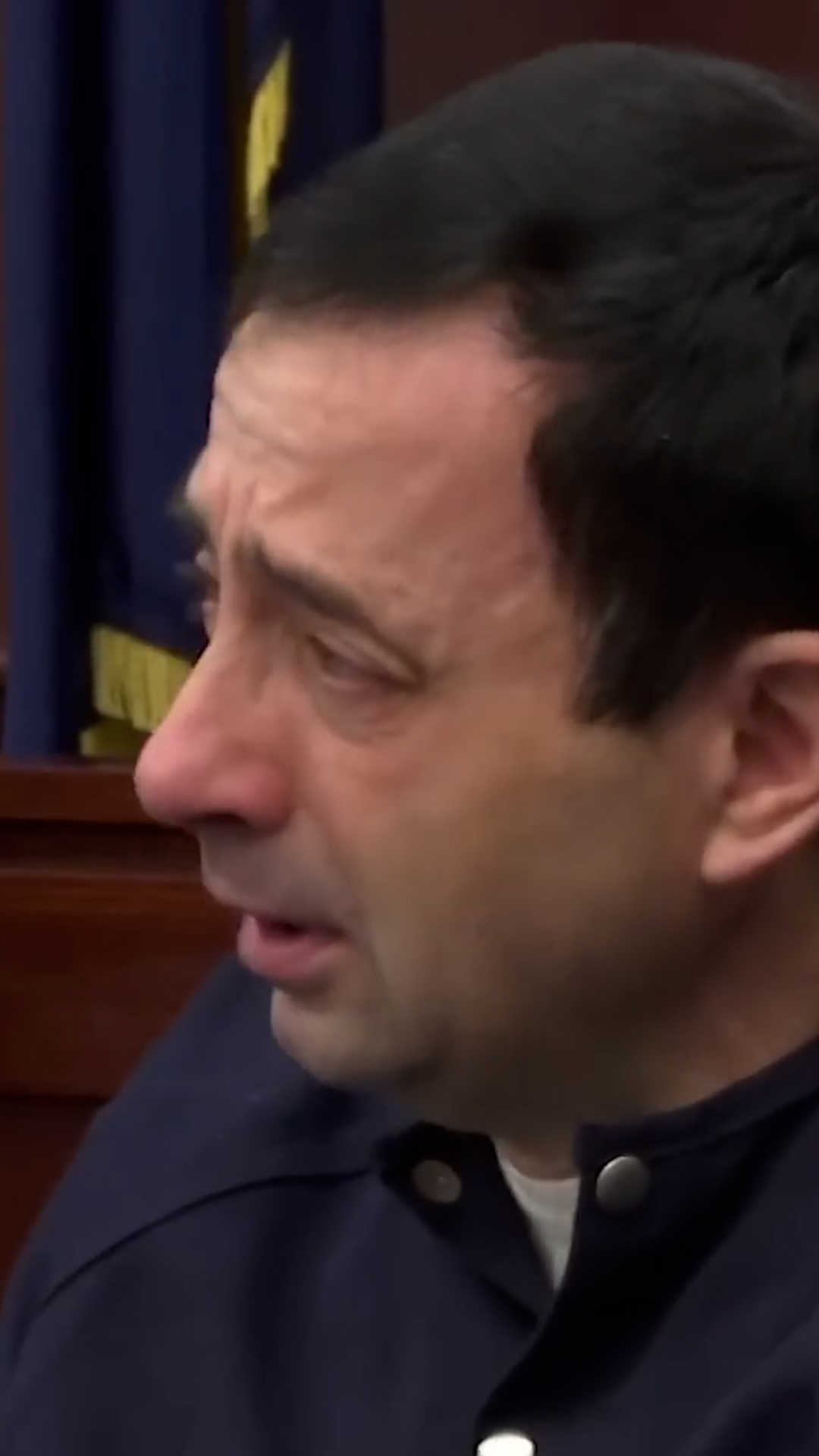
In 2017, Nassar pleaded guilty to multiple counts of criminal sexual conduct in the state of Michigan. The following year, he was sentenced in one of the most widely watched court proceedings in recent memory. During a powerful and emotional hearing, Judge Rosemarie Aquilina allowed survivors to deliver victim impact statements over several days. Their testimonies painted a devastating picture of the trauma they endured and the long-lasting effects of the abuse.
Judge Aquilina ultimately sentenced Nassar to 40 to 175 years in prison for state charges. In delivering the sentence, she made a statement that resonated around the world, telling him, “I just signed your death warrant.” This was in addition to a previous federal sentence of 60 years for child pornography charges. Combined, these sentences ensured that Nassar would spend the rest of his life behind bars.
The case also led to widespread fallout beyond Nassar himself. Several officials and organizations faced scrutiny for failing to act on early warnings and reports. USA Gymnastics leadership resigned, and Michigan State University reached a historic settlement with survivors, agreeing to pay hundreds of millions of dollars. The scandal exposed deep systemic issues in how institutions handled abuse allegations and highlighted the need for stronger protections for athletes.
In addition, the case contributed to the broader momentum of the Me Too movement, which gained significant traction during this period. Survivors from various fields found strength in the gymnasts’ testimonies, further amplifying calls for justice and accountability.
Today, the Nassar case is remembered not only for the crimes committed but also for the courage of the survivors who came forward. Their voices transformed a hidden tragedy into a powerful movement for change. Policies have since been reevaluated, reporting systems strengthened, and awareness around abuse in sports significantly increased.
While justice was served in the courtroom, the impact of Nassar’s actions continues to be felt. For many survivors, healing is an ongoing process. However, their bravery ensured that one of the largest abuse scandals in history was exposed—and that future generations may be better protected from similar harm.